
APPS AND TOOLS REVIEW

Best Shopify Apps for Automated Customer Support in 2025.
Running a Shopify store comes with
endless customer questions: “Where’s my order?” “Do you offer refunds?”
“What’s your shipping policy?” Answering these queries one by one can
quickly overwhelm even the most dedicated store owner. But here’s the good
news: automation can handle most of it for you.
In this era, AI-powered chatbots,
self-service tools, and smart helpdesk apps are no longer just
“nice-to-haves” they are essential to stay competitive. Automated customer
support ensures your buyers get instant responses, day or night, without
draining your team’s energy. This not only boosts customer satisfaction but
also frees you up to focus on sales,
marketing, and scaling your business.
In this article, we’ll break down the best Shopify customer support apps
that help you:
- Reduce
response times
- Automate
FAQs and order tracking
- Provide
24/7 support
- Improve
customer loyalty
- Save
money on hiring full-time agents
In
today’s fast-paced digital economy, mobile commerce has become the dominant
force shaping the future of eCommerce. According to recent studies, more than 70% of online shopping traffic comes from mobile devices,
and in many cases, mobile transactions surpass desktop sales. This shift is not
just a trend it is a fundamental change in how consumers shop. For Shopify
merchants, this means one critical thing: optimizing your store for mobile is no longer optional
but essential for survival and growth.

Mobile
shoppers behave differently from desktop shoppers. They are often on the go,
multitasking, or browsing casually while commuting, relaxing, or even standing
in a queue. Their attention spans are shorter, their expectations are higher,
and their patience for poor design or slow load times is minimal.
Shopify
makes it possible for merchants to create mobile-friendly stores, but simply
relying on built-in responsiveness isn’t enough. To truly succeed, you need a strategic approach to mobile optimization that ensures
every part of the customer journey browsing, product discovery, checkout, and
post-purchase engagement runs smoothly on smaller screens. This requires
careful attention to design, speed, usability, and
psychology.
This
article provides a step-by-step
Shopify mobile optimization guide to help you transform your
store into a mobile sales powerhouse. Whether you’re a new Shopify merchant
launching your first store or an experienced seller looking to increase
conversions, the strategies here will give you practical, proven ways to make
your mobile shopping experience frictionless and enjoyable. By implementing
these tactics, you’ll not only increase conversions but also enhance customer
loyalty and brand reputation in the mobile-first era of eCommerce.
Let’s
explore the top apps that can turn your Shopify store into a customer
service powerhouse.
1.
Gorgias: The All-in-One Helpdesk for Shopify

Key Features:
- Automated
replies for common queries (e.g., shipping, refunds, tracking)
- Smart
macros to reduce response time
- Deep
Shopify integration (view/edit orders directly from Gorgias)
- AI
sentiment detection to prioritize urgent cases
Why Use It?
Gorgias reduces repetitive work by automating up to 40% of tickets,
freeing your team to focus on more complex cases.
2. Tidio: AI-Powered
Live Chat & Chatbots
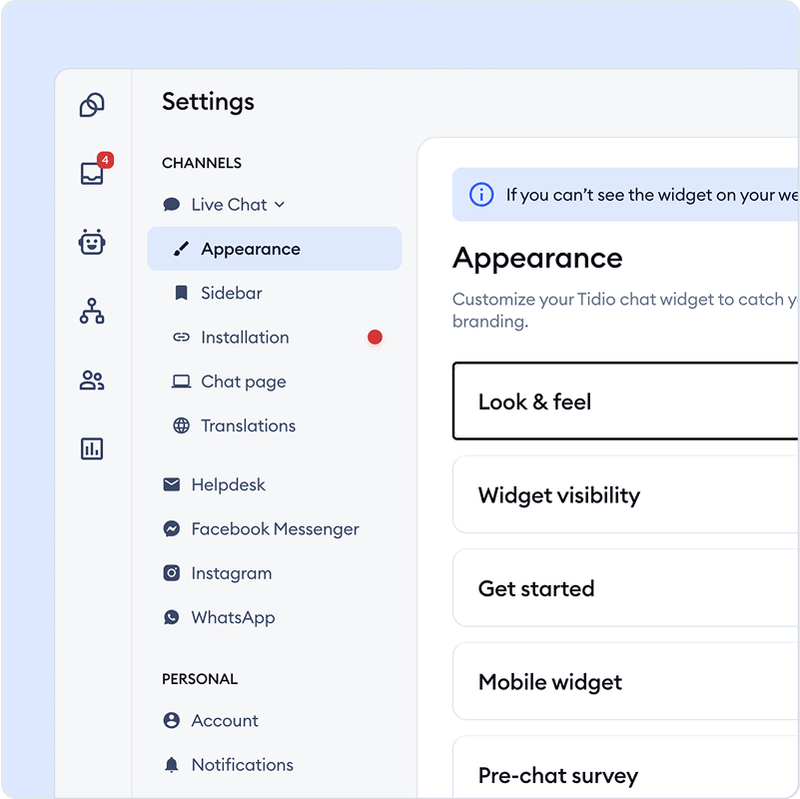
Tidio combines live chat and AI
chatbots in one simple app. It’s designed for small to medium Shopify stores
that want instant responses
without hiring extra staff.
Key Features:
- AI
chatbot that answers FAQs instantly
- “Lyro
AI” that learns from your support history
- Live
chat widget for real-time customer engagement
- Order
status tracking inside the chat window
Why Use It?
Tidio helps you capture more sales by assisting customers instantly when they’re
about to buy which reduce cart abandonment.
3. Re:amaze:
Multi-Channel Customer Support
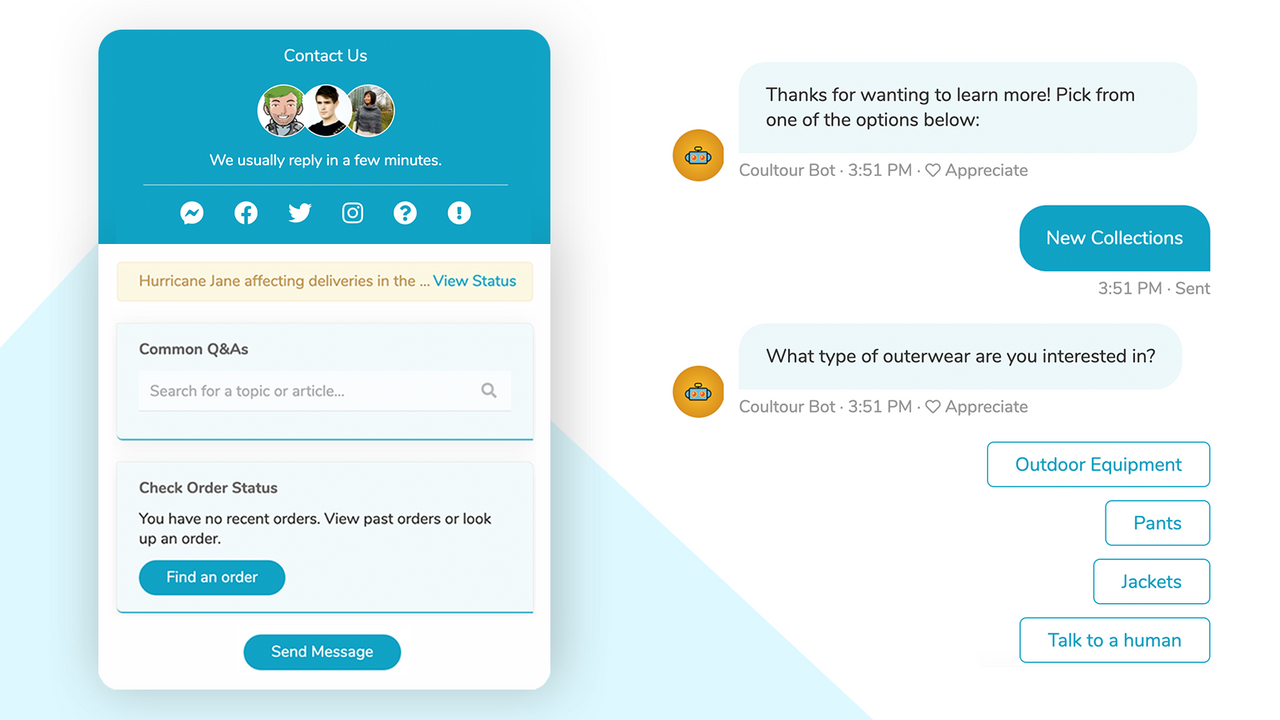
Re:amaze is a robust platform for
stores that want Chat-bot’s plus strong
marketing features.
Key Features:
- Automated
FAQ bots
- Event-triggered
messages (e.g., cart reminders, promotions)
- Centralized
communication hub (email, SMS, chat, and social media)
- Custom
workflows for ticket assignment
Why Use It?
If you want a balance between customer service and marketing automation,
Re:amaze is a great fit.
4. Zendesk for
Shopify: Enterprise-Grade Support
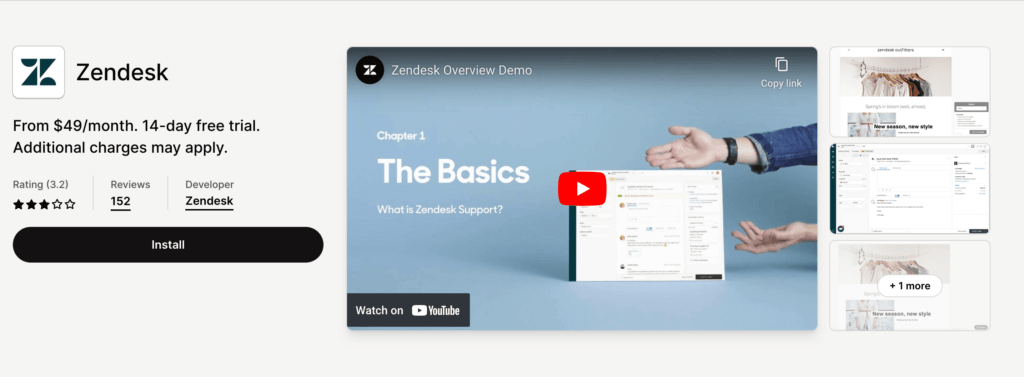
Zendesk is a global leader in customer
service software and integrates seamlessly with Shopify.
Key Features:
- AI-powered
ticket routing
- Knowledge
base creation for self-service
- Multi-language
support
- Advanced
reporting and analytics
Why Use It?
Best for larger Shopify stores that
need enterprise-level support systems
with powerful customization.
5. Crisp: Affordable
Customer Service Automation

Key Features:
- Unlimited
chat-bot scenarios
- Shared
inbox for teams
- Mobile
app for managing support on-the-go
- Auto-translation
for global customers
Why Use It?
Perfect for budget-conscious Shopify owners
who still want strong automation features.
The below articles
are the internal links for engagement and SEO related to the content
These are topics related to automation
which you may also like to read
Conclusion
Customer support has evolved. Shoppers
today expect instant, accurate, and 24/7 assistance and if you can’t
provide it, they’ll likely go to a competitor who can. Thankfully, the Shopify
ecosystem is rich with apps that make customer support seamless and automated.
By leveraging tools like Gorgias for helpdesk automation, Tidio for
chatbots, Re:amaze for marketing-driven support, Zendesk for enterprise needs,
and Crisp for affordable solutions, you can drastically reduce your
workload while delivering a better
shopping experience.

The bottom line? Automated customer
support is no longer optional, it’s the secret weapon that separates thriving
Shopify stores from those struggling to keep up.
As
eCommerce continues to evolve, one reality stands out above all others: mobile is the future of online
shopping. Shopify merchants who prioritize mobile optimization
are not just keeping up with trends they are setting themselves up for
long-term success in an increasingly competitive landscape.
But
beyond conversions, mobile optimization also impacts brand perception and trust. A mobile store that loads
quickly, looks professional, and is easy to navigate sends a powerful message:
that you value your customers’ time and experience. In contrast, a poorly
optimized mobile site suggests carelessness and can lead customers to doubt
your credibility.
Think
of mobile optimization not as a one-time task but as an ongoing process. As consumer behavior shifts and
technology advances, Shopify regularly rolls out new features, payment
integrations, and design capabilities that can further enhance your mobile experience.
Staying updated, testing regularly, and listening to customer feedback are
essential practices for continuous improvement.
It’s
also important to view mobile optimization as more than a technical requirement
it’s a business growth
strategy. A mobile-friendly store expands your reach, improves
SEO rankings, increases customer satisfaction, and ultimately boosts sales.
From casual browsers to repeat buyers, customers will associate your brand with
convenience and reliability when shopping on their phones.

In
the end, the winners in Shopify eCommerce will be those who seamlessly integrate
design,
usability, trust, and speed into their mobile shopping
experience. Every second saved, every tap made easier, and every checkout
simplified translates into real revenue.
If
you haven’t yet optimized your Shopify store for mobile, now is the time to start.
Begin with small changes optimize your images, adopt a mobile-friendly theme,
simplify your menus and gradually layer on more advanced strategies like mobile-specific
offers and one-click checkout.
Remember: in mobile commerce, progress
compounds. The more improvements you make, the better your results will be over
time.
By embracing these best practices, you’re not just creating a store that looks good on smartphones you’re building a conversion-driven mobile experience that keeps customers engaged, happy, and coming back for more. Mobile is where your customers are, and with Shopify’s tools plus the strategies outlined here, you can meet them there and turn mobile browsing into mobile buying.
Are you now ready to level up your Shopify store? bookmark this tab and apply what you've learnt. Check back for more real and working tips for your Shopify store, Comment and follow us by submitting your email for any new articles that will help your ecommerce business grow. Thank you.






0 Comments
We are happy to see your feedback