
MARKETING AND SALES
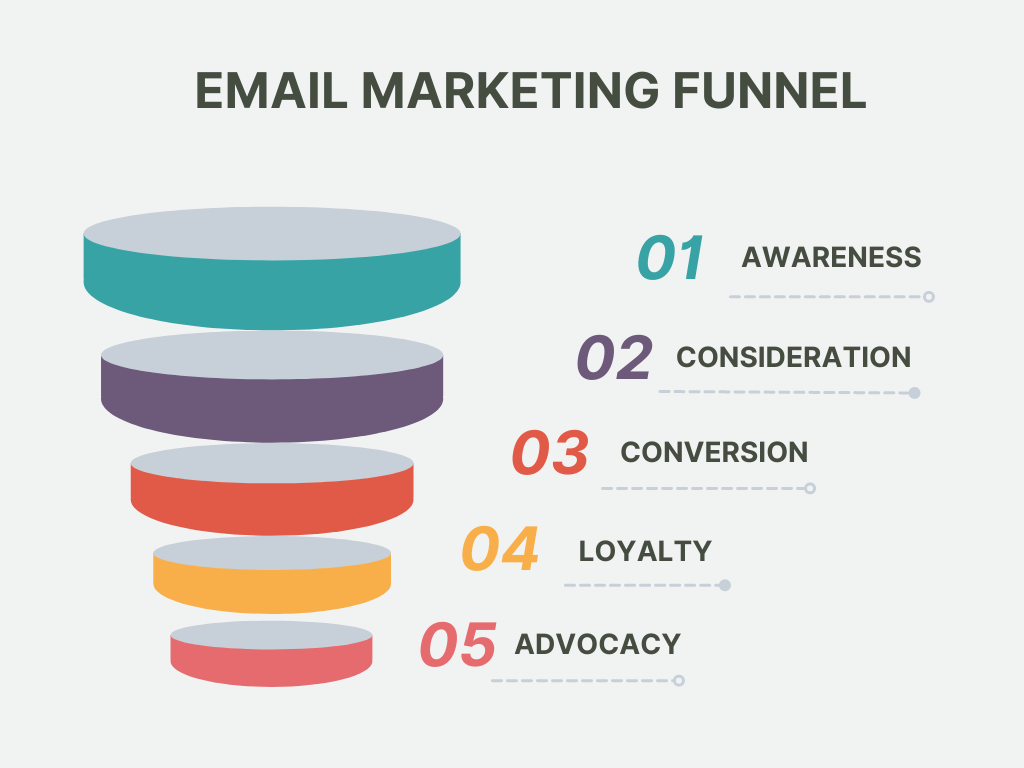
Email marketing has always been one of
the most reliable tools for eCommerce merchants. It’s personal, cost-effective,
and one of the few marketing channels you actually own. Unlike social media, where algorithms control visibility,
email gives you a direct line to your
customer’s inbox.
But here’s the truth: simply blasting
random promotions won’t make you money. To truly harness the power of email,
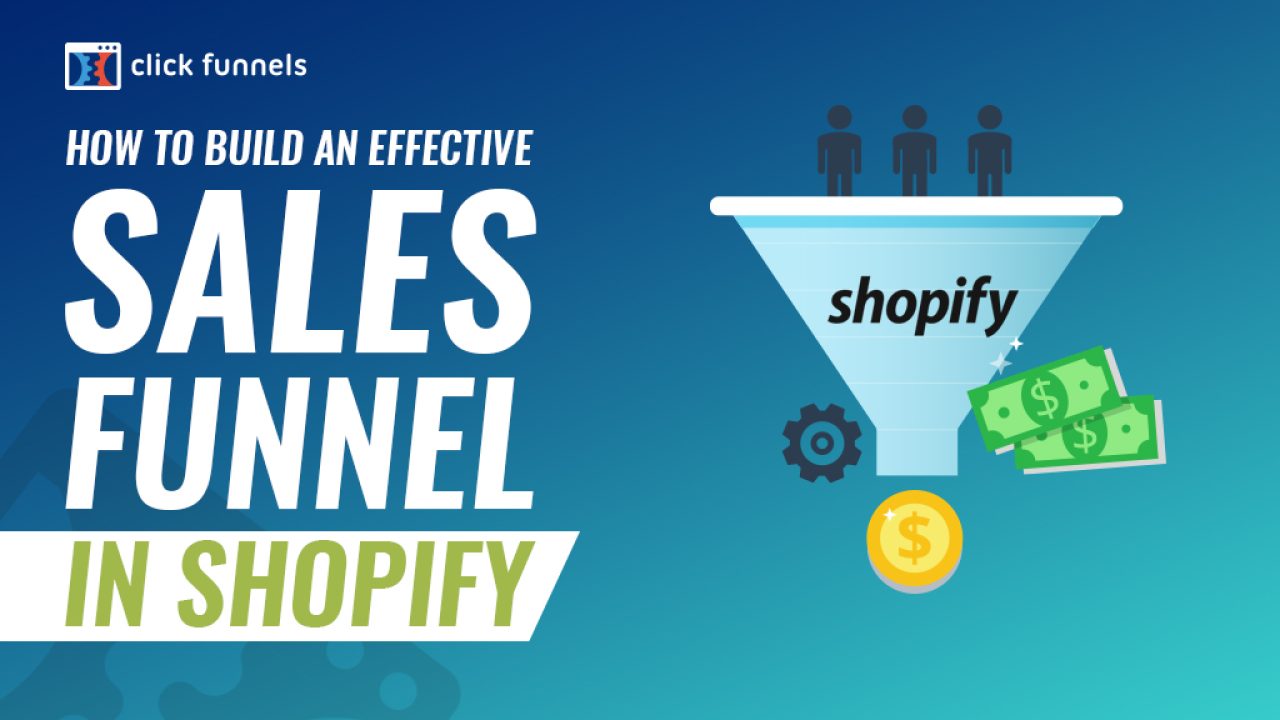
you need a Shopify email marketing funnel a strategic system designed to
attract leads, nurture relationships, and drive consistent sales.
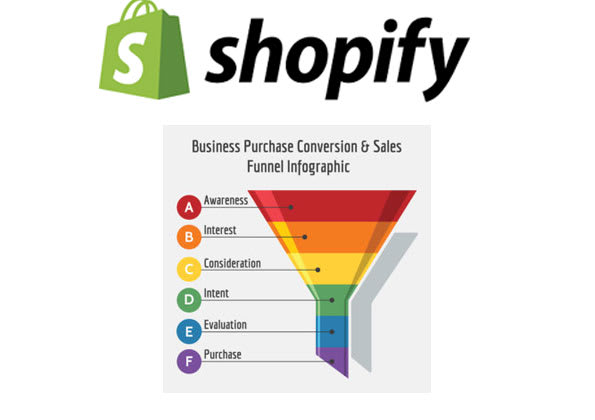
Think of this funnel as your digital salesperson. It works around the clock, automatically guiding potential buyers from awareness to purchase, and eventually turning them into loyal fans of your brand.
Furthermore, discounts have always been one of the most powerful levers in commerce. From handwritten “SALE” signs in old marketplaces to flash sales on eCommerce platforms today, the psychology behind a good deal hasn’t changed people love feeling like they’re getting more value for less. However, for Shopify merchants, discounts can be a double-edged sword. When used recklessly, they eat into your margins, attract only bargain-hunters who never return, and can even cheapen the perceived value of your products. But when done strategically, discounts become less about slashing prices and more about creating urgency, boosting average order value, and nurturing long-term customer relationships.
Why Your Shopify
Store Needs an Email Funnel
Before diving into the steps, let’s
look at why a funnel matters:
- Higher
ROI:
Email generates an average of $36
for every $1 spent.
- Automation
Saves Time:
Once set up, your funnel works while you sleep.
- Customer
Retention:
Repeat customers spend 67% more than new customers.
- Control
Over Communication: Unlike social media, you own your email list.
Without a funnel, you’re leaving money on the table. Let’s fix that.
Step 1: Capture Leads
with Irresistible Offers
Your funnel begins with lead capture.
You can’t build a profitable email funnel if nobody signs up.
Strategies to Collect
Emails:
- Discount
Pop-Ups:
Example: “Get 10% off your first order when you subscribe.”
- Freebies: Downloadable
guides, look books, or style tips.
- Exclusive
Access:
Early bird access to new collections or sales.
- Gamification: Spin-the-wheel
discounts or quizzes.
Tip: Use Shopify apps
like Privy or Klaviyo for beautiful, high-converting sign-up
forms.
Step 2: Create a
Welcome Email Sequence
The welcome sequence is your chance to
make a strong first impression. Don’t just send a discount code, tell your
brand story.
A winning welcome
flow might include:
- Email
1: Welcome & Incentive - Thank them for signing up and
share the promised discount.
- Email
2: Brand Story -
Share your mission, values, and what makes you different.
- Email
3: Social Proof
- Show customer reviews or testimonials.
- Email
4: Product Highlights – Showcase your bestsellers or curated collections.
Tip: Use storytelling to
connect emotionally with your audience.
Step 3: Segment Your
Audience
Segmentation is the secret to sending relevant, personalized emails. Not all
subscribers should get the same message.
Ways to segment your Shopify list:
- By
behavior:
Browsed but didn’t buy, repeat buyers, VIPs.
- By
interests:
Men’s vs women’s products, eco-friendly shoppers, trend lovers.
- By
stage of journey:
New subscriber’s vs long-time customers.
Tip: Use Klaviyo or Omnisend to set up smart segments.
Step 4: Automate Key
Email Flows
Automation is where the funnel truly
shines. These are the must-have Shopify
email flows:
- Cart
Abandonment Flow
- Email
1: Reminder (within 1 hour).
- Email
2: Show product benefits (within 24 hours).
- Email
3: Scarcity offer or limited-time discount (within 48 hours).
- Browse
Abandonment Flow
- Remind
customers of products they viewed but didn’t add to cart.
- Post-Purchase
Flow
- Thank
customers, provide tips for using the product, and suggest related items.
- Win-Back
Flow
- Re-engage
inactive customers with special offers or “We miss you” campaigns.
Tip: Keep your emails
short, benefit-driven, and visually appealing.
Step 5: Run Targeted
Campaigns
Beyond automated flows, you should also
run seasonal and promotional campaigns.
Examples:
- Holiday
sales (Black Friday, Christmas, etc.).
- New
product launches.
- Customer
anniversaries or birthdays.
Tip: Always test subject
lines. Personalized subject lines increase open rates by 26%.
Step 6: Analyze and
Optimize
Your funnel should constantly evolve.
Key metrics to track:
- Open
Rates:
Aim for 20–30%.
- Click-Through
Rates (CTR):
Target 2–5%.
- Conversion
Rates:
Track how many email clicks turn into sales.
- Unsubscribe
Rates:
Keep below 0.5%.
Tip: A/B test subject lines, email designs, and call-to-actions (CTAs).
Conclusion

Building a profitable Shopify email
marketing funnel isn’t just about sending emails it’s about building
relationships. A well-structured funnel ensures you’re speaking to the right
person at the right stage in their journey, guiding them smoothly from interest
to loyalty.
With automated flows like welcome sequences, cart recovery, and post-purchase nurturing, you’re essentially creating a sales machine that runs on autopilot. By layering on segmentation, personalization, and continuous optimization, your funnel becomes a powerful engine that grows your revenue predictably and sustainably. If you start implementing these strategies today, you won’t just increase conversions you’ll build a Shopify brand that customers love and return to again and again.
Meanwhile,
discounts are more than just price cuts they’re tools to shape customer
behavior and guide purchasing decisions. The real key is understanding that not
all discounts are created equal. A blanket 50% off may attract a flood of
sales, but it often leads to shallow loyalty and thinner profits. On the other
hand, strategic offers like bundling, tiered discounts, limited-time promotions,
or exclusive VIP codes leverage both psychology and strategy to maximize
revenue while keeping your brand value intact.
As
a Shopify merchant, your job isn’t just to sell it’s to build a sustainable,
profitable business. Discounts should therefore be deployed intentionally, with
clear goals of boosting customer lifetime value, moving slow inventory,
increasing average order size, or enhancing loyalty. By tracking performance,
A/B testing offers, and continuously refining your approach, you’ll not only
drive sales today but also ensure that your store grows stronger tomorrow.

The science of Shopify discounts lies in the balance to give customers a reason to buy, but never at the expense of your profitability. If you master this balance, every discount you run becomes an investment in long-term growth not just a quick sale.
Are you now ready to level up your Shopify store? bookmark this tab and apply what you've learnt. Check back for more real and working tips for your Shopify store, Comment and follow us by submitting your email for any new articles that will help your ecommerce business grow. Thank you.






0 Comments
We are happy to see your feedback