
MARKETING AND SALES
)
Your product descriptions are more than
just text they’re your store’s persuasion engine. When done well, they move a
shopper from consideration to purchase simply by clearly communicating value,
benefits, and trust. But write them poorly, and they contribute to confusion,
mistrust, and abandoned carts. In this guide, we’ll walk you step by step
through how to craft product descriptions that don’t just explain what you're
selling they compel customers to buy.
If you’ve ever walked into a physical
store, you know the difference a great salesperson makes. They don’t just hand
you an item and say, “This is a shirt.” Instead, they bring it
to life:
“This shirt is made from breathable
Egyptian cotton, perfect for hot summer days. It won’t lose its shape after
washing, and the classic cut means you can dress it up for work or wear it
casually on weekends.”
That’s the power of product
descriptions in your Shopify store. Unlike brick-and-mortar salespeople, your
product page has to do all the heavy lifting on its own. And yet, many Shopify
merchants treat product descriptions like an afterthought—filling them with
generic manufacturer text or leaving them blank altogether. The result? Missed
sales, lower rankings on Google, and shoppers who click away without
converting.
Here’s the reality: product
descriptions are one of the most powerful conversion levers you have. According
to Nielsen Norman Group, 20% of purchase failures can be directly attributed to
poor or unclear product information. On the other hand, research from Salsify
shows that 87% of consumers say product content is extremely important to their
buying decision. In short, the words you choose can literally make or break
your business.
But what separates a boring description
from one that drives sales? It’s not just about listing features. It’s about
storytelling, empathy, clarity, and persuasion. A strong product description:
- Speaks
directly to your target customer’s pain points and desires.
- Translates
boring technical features into vivid, emotional benefits.
- Builds
trust with social proof, guarantees, and brand voice.
- Is
structured in a scannable way, so shoppers get the key points in seconds.
- Is
optimized for search engines, so more people can discover your store
organically.
Think of it this way: your product
description has two audiences people and algorithms. You need to
convince the human reader that your product solves their problem, while also
signaling to Google what the page is about. When you find the right balance,
you don’t just attract more traffic you convert that traffic into paying
customers.

In this in-depth guide, we’ll break down exactly how to write Shopify product descriptions that sell. You’ll learn practical frameworks, see real-world examples, and get step-by-step strategies you can apply to your store today. Whether you’re selling skincare, gadgets, fashion, or digital products, these principles apply across niches.
By the end, you won’t just know how to
“fill in the box” on your Shopify product page you’ll know how to write mini
sales pitches that resonate, rank, and convert. Let’s get started.
1. Know Your Customer
(Before You Write a Single Word)

Why It Matters
If you don’t know who you’re writing
for, your copy will be generic, only appealing to “everyone” and to no one.
Specificity builds trust.
How to Do It
- Create
a buyer persona: age, interests, pain points, buying
motivation.
- Use
product reviews and customer questions to understand their language.
Example
A sustainable skincare brand’s customer
persona:
- 25–35-year-old
woman
- Values
natural ingredients, eco-friendliness
- Cares
about scent and quick absorption
By writing with her in mind, you can
highlight exactly those features.
2. Start with the
Value (Not the Features)
The “What’s in It for Me?” Rule
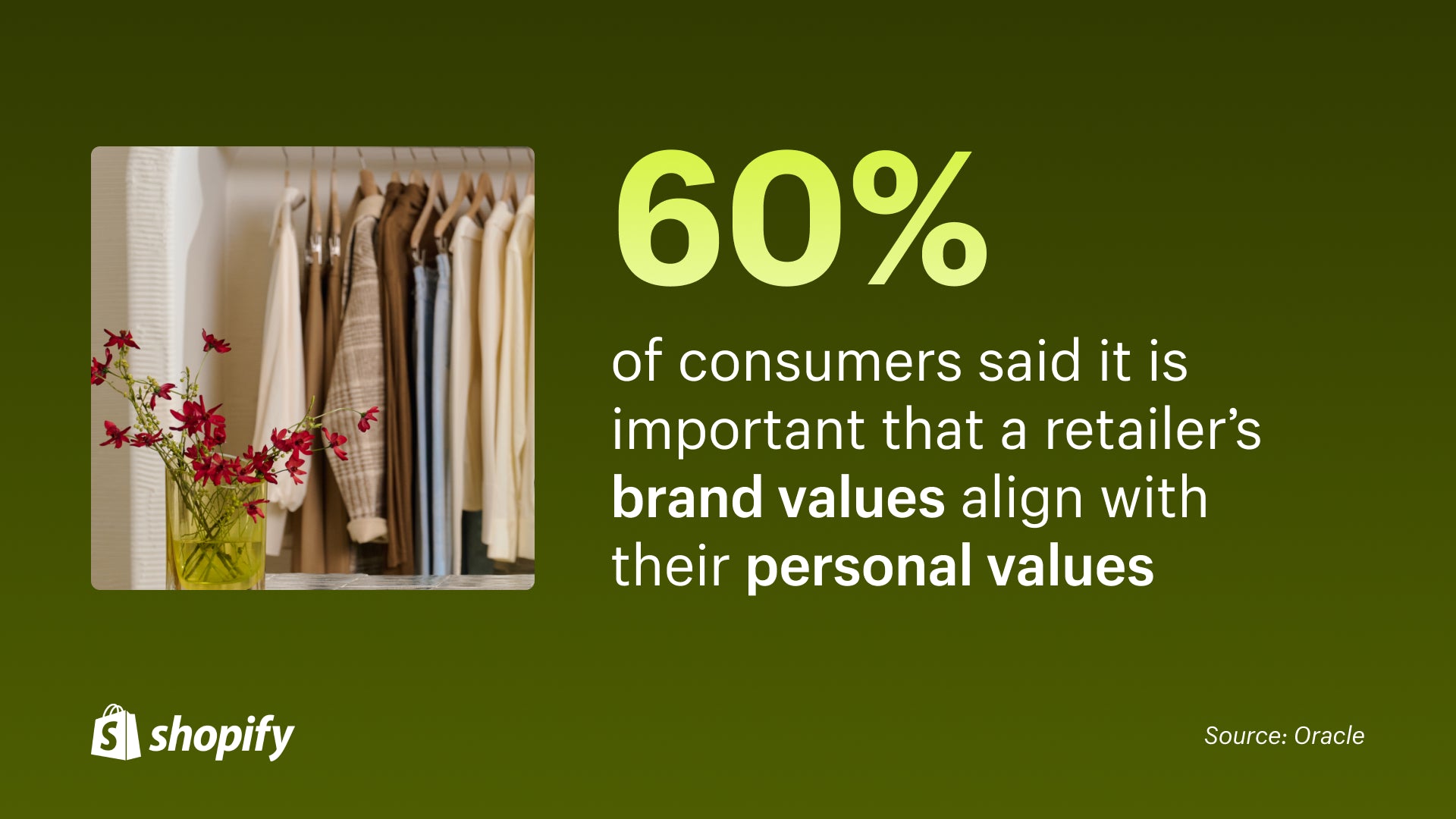
Customers don’t remember features they
remember outcomes.
How to Apply
- Rewrite
features like “contains SPF 15” into value: “Protects your skin from
harmful UV rays while keeping you glowing all day.”
- Lead
with benefits, then back them up with features.
Quick Formula
"Benefit + Feature + Social
Proof" e.g.,
“Feel confident all day with oil-free
SPF 15 that hydrates trusted by over 5,000 glowing reviews.”
3. Use a Clear, Scannable
Structure
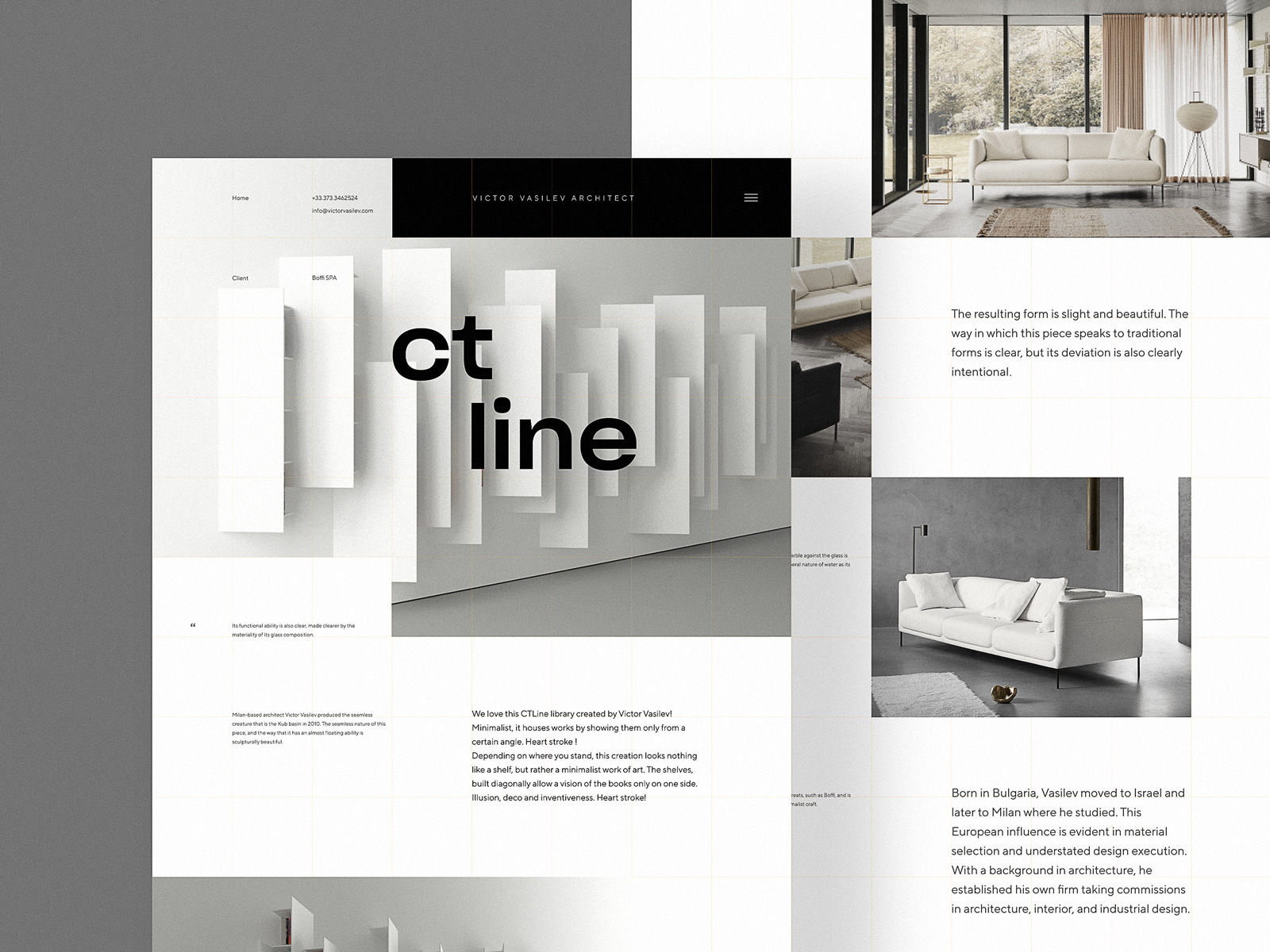
Most online readers scan before
reading.
Elements That Work
- Headline:
Benefit or solution
- Subhead
(optional)
- 3–5
bullet points for key highlights
- Short
paragraph for narrative or story
Example Layout
Headline: Glow while you
protect SPF 15 moisturizer that lasts all day
- Hydrates for 24
hours
- Lightweight,
translucent finish
- Safe for sensitive skin
and reef-friendly
- Clinically proven to
reduce UV damage by 40%
Enjoy marine-safe
skincare that feels as good as it performs.
4. Use Sensory and
Emotional Language
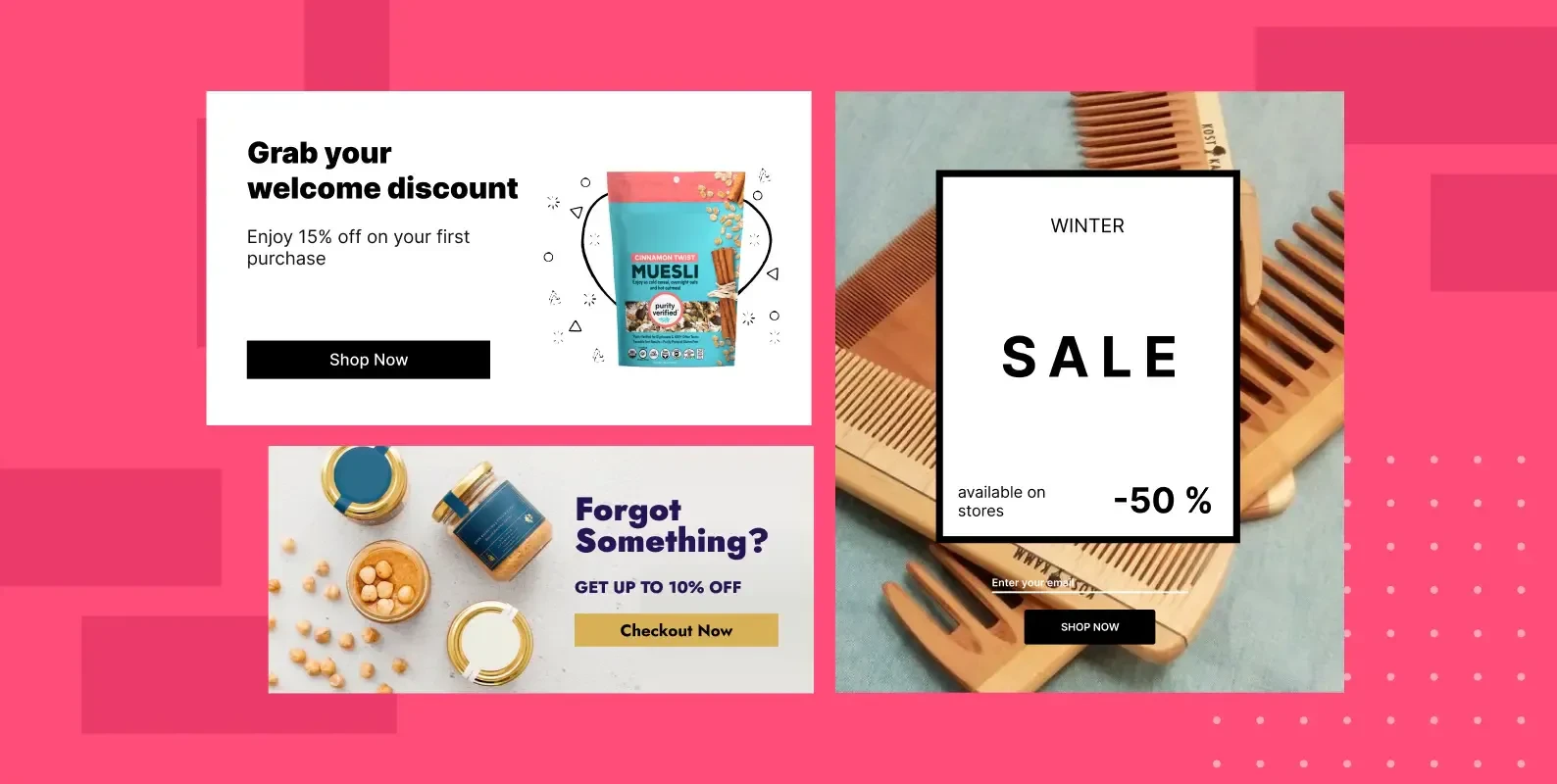
People buy based on emotions, then rationalize later.
Tips for Sensory Copy
- Describe
how it feels: “creamy,” “silky,” “weightless”
- Reference
emotions: “confidence,” “peace-of-mind,” “fresh”
Example
Instead of “Organic herbal tea,” write:
“Savor a calming sip of organic
chamomile and lavender warm, soothing, and harvested with care from sun-kissed
fields.”
5. Include Social
Proof
Best Practices
- Add
rating stars near product title
- Feature
a short review quote near bullets
- Use
user-generated photos if possible
Example
“Rated 4.9/5 by over 750 users ‘My
skin has never felt more hydrated!’ ”
6. Add Trust Elements
and Guarantees
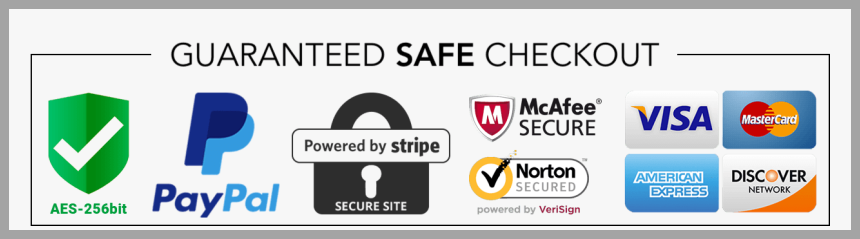
Confidence is built through
reassurance.
What to Include
- Money-back
guarantee (“30-day returns”)
- Secure
checkout icons (SSL, Visa, PayPal)
- Free
shipping threshold if applicable
Example
“Ships free on orders over $50.
Hassle-free returns within 30 days no questions asked.”
7. Leverage Urgency
where Appropriate

Techniques
- Limited-time
offers (“Ends tonight at midnight”)
- Countdown
timer apps (Shopify apps like Hurrify or Ultimate Sales Boost)
- Genuine
stock indicators ("Only 5 left!")
Reminder
Always be truthful false pressure
backfires.
8. Optimize for SEO
(Without Keyword Stuffing)
Great copy needs to be found by search
engines too.
SEO Best Practices
- Include
primary keyword naturally in title & one to two times in the first 150
words
- Write
unique descriptions per product
- Add
alt text to all images containing keywords
Example
Keyword: “organic face serum”
- Title:
“Organic Face Serum with Hyaluronic Acid & Vitamin C”
- Intro:
“Our organic face serum hydrates and brightens skin…”
9. Use A/B Testing
for Variation

How to Test
- Use
Shopify’s A/B testing or external tools
- Test
headlines, bullet order, CTA wording
- Measure
click-through and conversion rates
10. Keep the Tone
On-Brand

Your voice strengthens brand identity.
Tone Consistency
- Luxury
brand → calm, refined language
- Youth
brand → fun, bold language
Example
Compare:
- Luxury: “Indulge
in refined hydration”
- Youth: “Get
glowing, all day long!”
Click the title to
read related articles that are previously published
- Avoid
beginner pitfalls with 10 Shopify Mistakes Beginners Make (and How to Avoid Them)
- Pair
descriptions with high-converting product pages via Product Page Checklist for Maximum Sales
- Use
pricing psychology to support your messaging: The Psychology of Pricing on Shopify
Final Thought
Your product descriptions do more than
describe they persuade, reassure, and convert. By focusing on benefits,
understanding your customer intimately, and using clear, emotional language
paired with trust signals and optimized structure, you can transform your store
from browsing to buying. Think of description writing as your most powerful
sales tool. Tweak, test, and refine it because a well-crafted description
doesn’t just list features; it tells customers exactly why they need your
product now. And that’s how you build a Shopify store that sells itself.
.jpg)
Writing persuasive product descriptions
isn’t just a copywriting exercise it’s a business growth strategy. Every word
you put on a Shopify product page has the potential to either push a customer
closer to purchase or send them searching elsewhere. And when you consider that
product descriptions are viewed by nearly every shopper who reaches your
product page, the impact is enormous.
Let’s recap the key lessons from this
guide:
- Know
your customer deeply. Write for a specific persona, not “everyone.” The
more your copy mirrors your buyer’s language and values, the stronger the
connection.
- Lead
with benefits, not just features. Customers want to know how
your product improves their life. Translate features into outcomes they
can feel and imagine.
- Keep
your structure scannable. Use headlines, short
paragraphs, and bullet points to make descriptions easy to digest at a
glance.
- Tap
into emotions and senses. Make shoppers imagine
holding, using, or experiencing the product.
- Add
social proof and trust elements. Reviews, ratings,
guarantees, and transparent shipping policies reduce hesitation.
- Introduce
urgency ethically. Scarcity and time-sensitive offers can drive
conversions so just make sure they’re genuine.
- Optimize
for SEO. Unique,
keyword-rich descriptions bring organic traffic while supporting
discoverability.
- Test
and refine. A/B
testing headlines, CTAs, and structure helps you find the
highest-converting variations.
- Stay
consistent with brand tone. Your product descriptions
should sound like your brand is whether playful,
luxurious, or minimalist.
The merchants who take the time to
master these steps consistently see higher add-to-cart rates, more conversions,
and stronger long-term brand loyalty. Why? Because good descriptions don’t just
explain a product but they reduce friction, build trust, and answer unspoken
objections before the shopper even asks them.
Think about it: in a physical store,
you’d never leave your sales team untrained. You’d teach them how to speak with
customers, highlight benefits, handle objections, and close the sale. On
Shopify, your product descriptions are your 24/7 sales team. They work for you
while you sleep, while you run ads, and while you focus on scaling your
business. Neglecting them is like hiring a salesperson who shrugs and says,
“This is a thing you can buy.” That doesn’t convert.

The good news? Writing descriptions
that sell is a skill you can learn. It’s not about being a poetic writer or
having a marketing degree. It’s about empathy, clarity, and strategy. And just
like any skill, the more you practice and test, the better your results will
be.
Here’s your challenge: Pick your
top-selling product and rewrite its description today using the frameworks from
this guide. Focus on benefits, add emotional triggers, structure it for
scanning, and weave in one or two high-value keywords. Then measure the impact
over the next 30 days. You’ll be surprised at how much of a difference just one
rewritten description can make.
Remember, your Shopify store doesn’t
need more traffic it needs better conversions. And the fastest
way to improve conversions is by transforming your product descriptions from
dull placeholders into persuasive sales copy.
So, the next time you upload a new product, don’t treat the description box as a chore. Treat it as your most important sales opportunity. Because when you get it right, you’re not just writing words you’re writing revenue.
Are you now ready to level up your Shopify store? bookmark this tab and apply what you've learnt. Check back for more real and working tips for your Shopify store, Comment and follow us by submitting your email for any new articles that will help your ecommerce business grow. Thank you.






0 Comments
We are happy to see your feedback